


Back to School, Back to Germs
New backpacks, new routines, and unfortunately, new germs. Learn about common back-to-school bugs and what parents need to know to keep kids healthy all school year long.
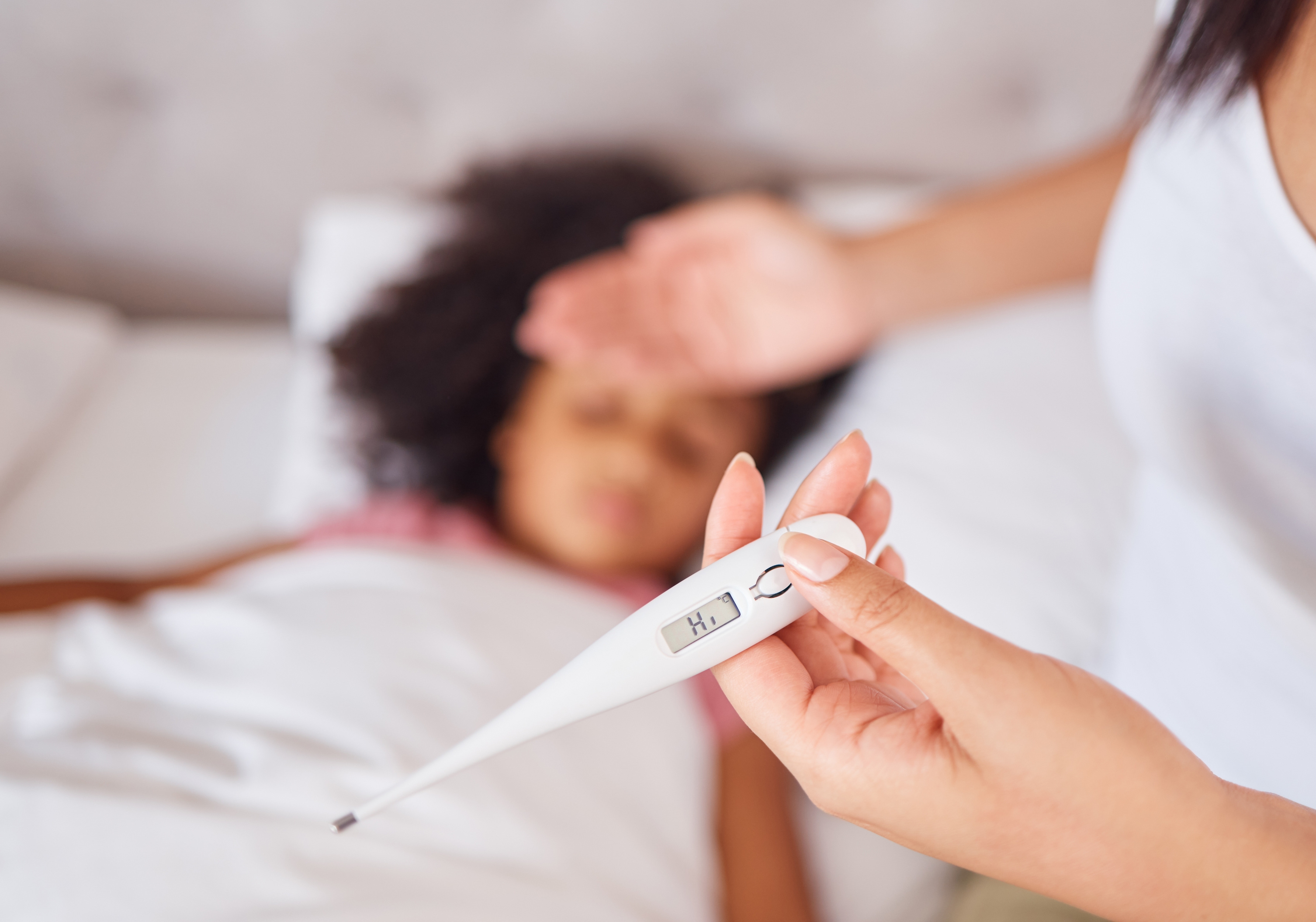
The start of a new school year brings fresh routines, new classrooms, and plenty of excitement. Unfortunately, it can also bring an increase in germs. With children spending more time together in classrooms, cafeterias, buses, and extracurricular activities, common illnesses can spread quickly. Knowing what symptoms to watch for can help parents recognize when their child may need a little extra care.
One of the most common back-to-school illnesses is the common cold. A stuffy or runny nose, sneezing, coughing, and a sore throat can quickly make their way around a classroom. While most colds are mild and improve with time, parents should keep an eye on their child's symptoms and make sure they are getting plenty of rest and fluids.
The flu is another illness parents should be aware of as children return to school. Unlike a typical cold, the flu can come on more suddenly and may cause fever, chills, body aches, fatigue, headaches, and coughing. If your child suddenly begins feeling much worse than they did earlier in the day, it's important to pay attention to those symptoms and consider contacting a healthcare provider.
School-age children can also be susceptible to stomach viruses. Vomiting, diarrhea, nausea, and stomach cramps can make it difficult for children to stay hydrated and comfortable. Parents should encourage plenty of fluids and watch for signs that their child may be becoming dehydrated.
Not every sore throat is simply a cold, either. Strep throat is a bacterial infection that can cause a painful sore throat, fever, difficulty swallowing, and swollen lymph nodes. If your child develops a particularly painful sore throat or symptoms that concern you, a healthcare provider can determine whether testing or treatment is needed.
Another illness parents may encounter during the school year is pink eye. Redness, irritation, itching, watering, or discharge from the eye can be signs of an infection. Because some forms of pink eye can spread easily, it's important to take symptoms seriously and follow your healthcare provider's recommendations.
While it's impossible to prevent every illness, a few everyday habits can help reduce the spread of germs. Encourage children to wash their hands regularly, cover coughs and sneezes, avoid sharing drinks or utensils, and keep their hands away from their eyes, nose, and mouth. Getting enough sleep, staying hydrated, eating nutritious foods, and keeping recommended vaccinations up to date can also support overall health.
Most importantly, parents should know when it's time to keep their child home from school or contact a healthcare provider. If symptoms are severe, worsening, lasting longer than expected, or keeping your child from participating in their normal activities, it's worth reaching out for professional guidance.
A successful school year starts with more than a new backpack and school supplies. By knowing the signs of common back-to-school illnesses and taking simple steps to prevent the spread of germs, parents can help their children stay healthy and ready to learn.
If your child isn't feeling their best or you have concerns about their symptoms, Citizens Medical Clinic is here to help. Contact us to schedule a visit and get your child back on the road to feeling their best.

7939 US Highway 165, Columbia, LA 71418
(318) 649-6106


